
Inhalation Toxicology & Aerosol Science
Inhalation toxicology built for confident development decisions.
For 60 years, Lovelace Biomedical has generated the exposure, safety, and pathology data that move inhaled small molecules, biologics, and complex modalities from candidate selection through IND, NDA, and BLA submission.
The Lovelace Advantage
One scientific team for the questions that matter most.
Inhaled therapeutics demand more than a standard toxicology protocol. Our aerosol scientists, toxicologists, veterinary pathologists, and bioanalytical chemists work under one roof to connect delivered dose, respiratory and systemic exposure, local tolerability, and pathology endpoints to your program's actual decision points.
- Early feasibility through pivotal GLP studies
- Aerosol generation & exposure characterization
- Single- & repeat-dose inhalation toxicology
- In-house respiratory pathology expertise
- TK & regulated bioanalytical support
- Regulatory-focused, decision-ready reporting
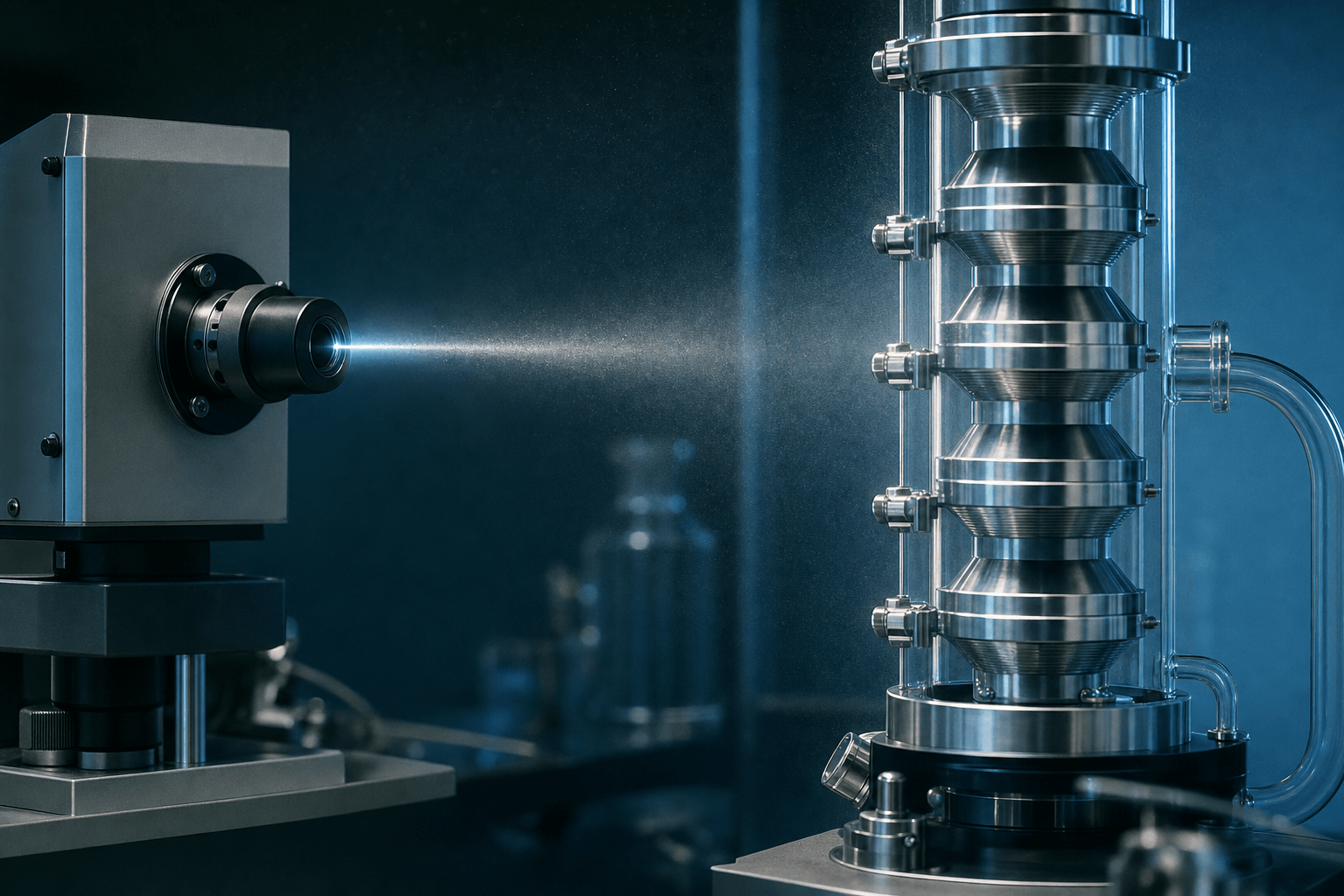 Aerosol characterization suite
Inhalation Services
End-to-end support for inhaled programs.
Draw on individual capabilities or build a fully integrated development package around a clear scientific and regulatory strategy — from first feasibility study to submission-ready report.
Aerosol Development & Characterization
Exposure system selection, formulation feasibility, particle-size distribution, concentration verification, and delivered-dose characterization for nebulizers, MDIs, and DPIs.
Inhalation Toxicology
Single- and repeat-dose GLP and non-GLP studies via nose-only, whole-body, intratracheal, and intranasal delivery, from acute through chronic (up to 30-month) exposures.
Respiratory Safety Assessment
Local tolerance, pulmonary function, clinical pathology, bronchoalveolar lavage, and safety pharmacology endpoints tailored to your target indication.
Pathology & Histology
Board-certified veterinary pathology across upper and lower respiratory tract tissue, systemic organs, and study-specific biomarkers of injury or inflammation.
Bioanalysis & Toxicokinetics
In-house regulated method development and sample analysis connecting local and systemic exposure to toxicology findings and dose selection.
IND-Enabling Strategy
Practical study sequencing, agency-ready study design, and integrated reporting built to generate decision-ready data for regulatory interactions.
How We Work
Turn complex inhalation science into a clear development pathway.
We start with your molecule, intended clinical route, formulation, and target indication — then tailor a program that produces useful, decision-ready answers at every stage.
Define the question
Align route, dose range, endpoints, and decision criteria with your development milestone.
Establish exposure
Characterize the aerosol and delivery conditions needed for reliable, interpretable exposures.
Execute the study
Integrate toxicology, clinical observations, pathology, and TK under one operational plan.
Advance with confidence
Receive clear reports and scientific interpretation to inform next studies and regulatory strategy.
Models & Modalities
Right model. Right delivery. Right endpoints.
We match study design to the biology, exposure profile, and regulatory objective of your inhaled product across the full range of laboratory species.
Small Molecules
Inhaled anti-infectives, anti-inflammatory agents, bronchodilators, and other respiratory small-molecule therapies.
Biologics & Complex Modalities
Tailored support for peptides, proteins, antibodies, nucleic-acid therapies, and particle-based delivery systems.
Rodent & Non-Rodent Species
Rodents, dogs, swine, ferrets, and non-human primates, with endpoint packages for exploratory, regulatory, and translational objectives.
Specialized Administration Routes
Inhalation complemented by intranasal, intratracheal, and other study-appropriate respiratory delivery approaches.
Inside the Facility
Purpose-built exposure infrastructure, on one Albuquerque campus.
"Our large inhalation toxicology facility has the capabilities and capacity to conduct single or repeated, intranasal, nose-only or whole-body inhalation exposures of all laboratory species — from preliminary investigations to large-scale IND-enabling studies."
- Facility footprint300,000+ sq ft
- GLP complianceContinuous since 1984
- Exposure chambers100+ whole-body & nose-only
- ContainmentBSL-3 laboratories
- AccreditationAAALAC-accredited
- LocationAlbuquerque, NM
 In-house respiratory pathology
Frequently Asked
Questions programs ask before their first study.
Bring us your inhalation challenge.
Our scientific team can help shape an efficient, decision-driven plan for your next exploratory or IND-enabling inhalation study.